Match Overview
Japan and Sweden have both advanced to the knockout stages of the World Cup 2026 following a 1-1 draw in Dallas. The result saw Japan qualify as the second-placed team in Group F, while Sweden secured their spot as a third-placed team. The match, played in front of a significant crowd in Texas, came alive in the second half after a goalless first period.
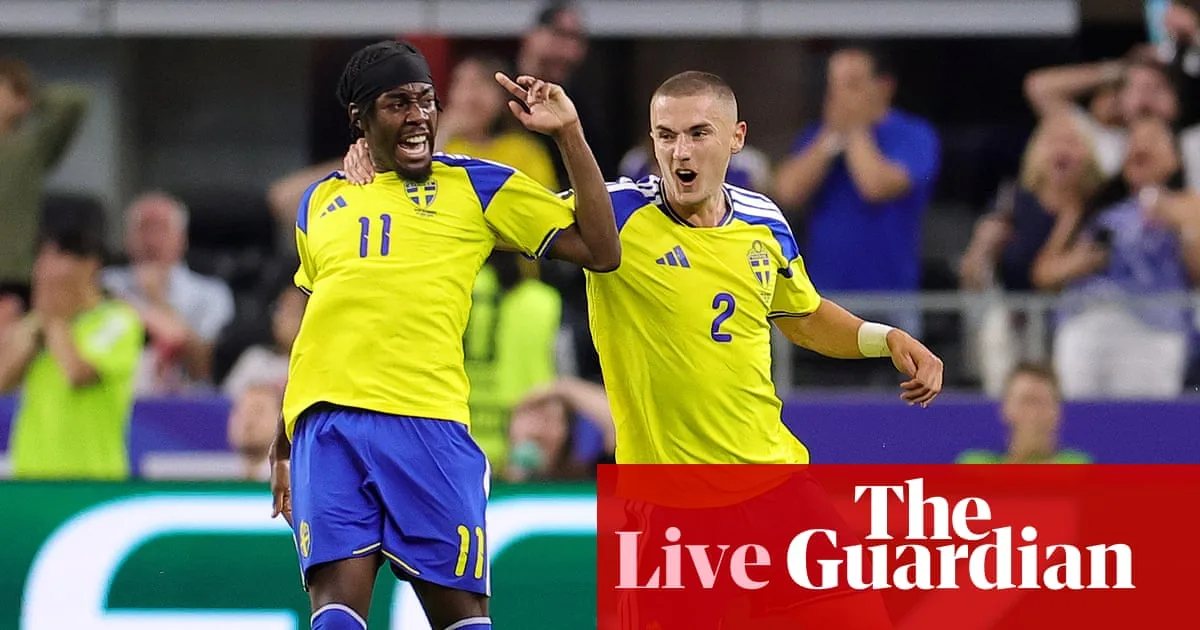
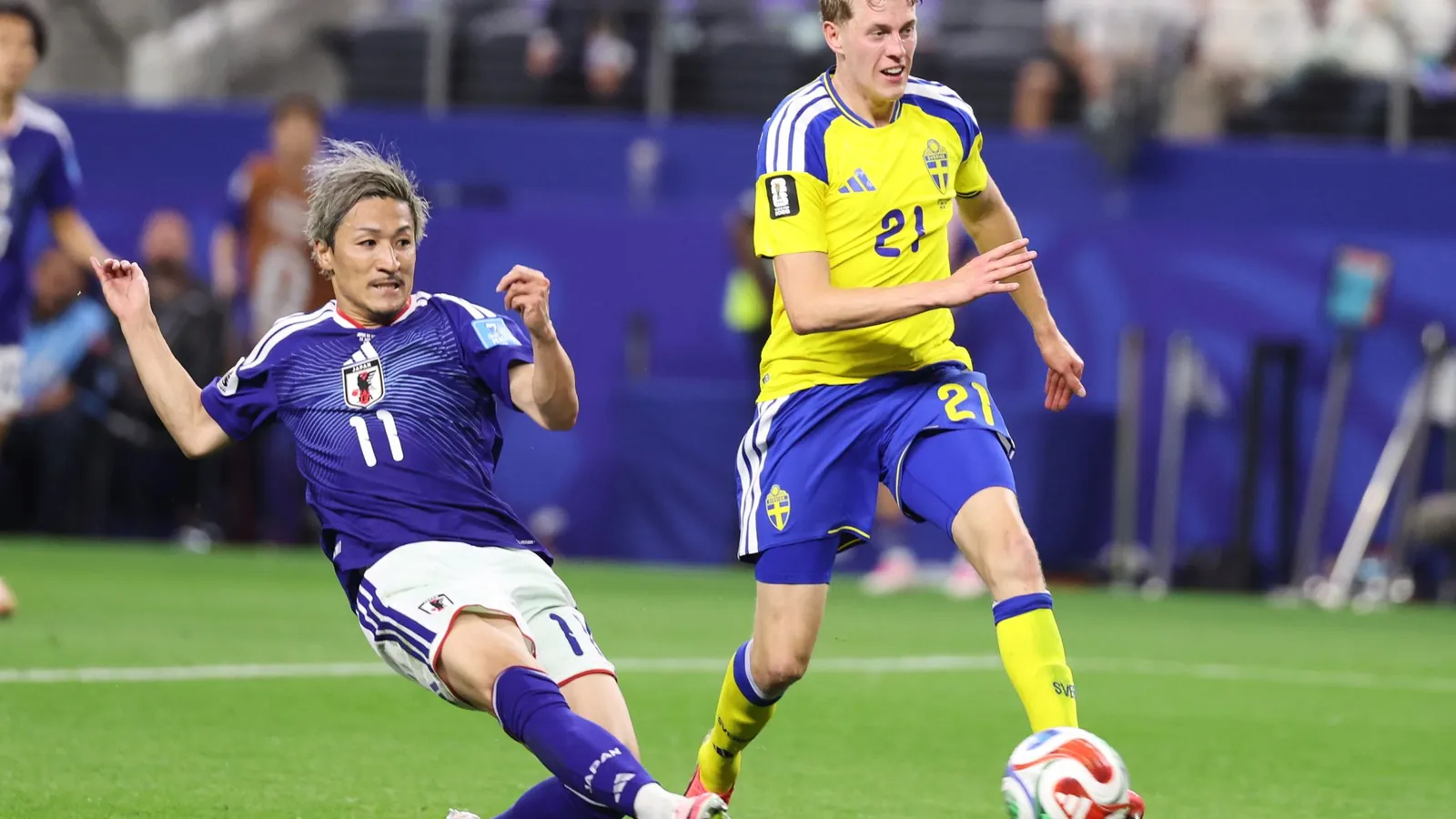
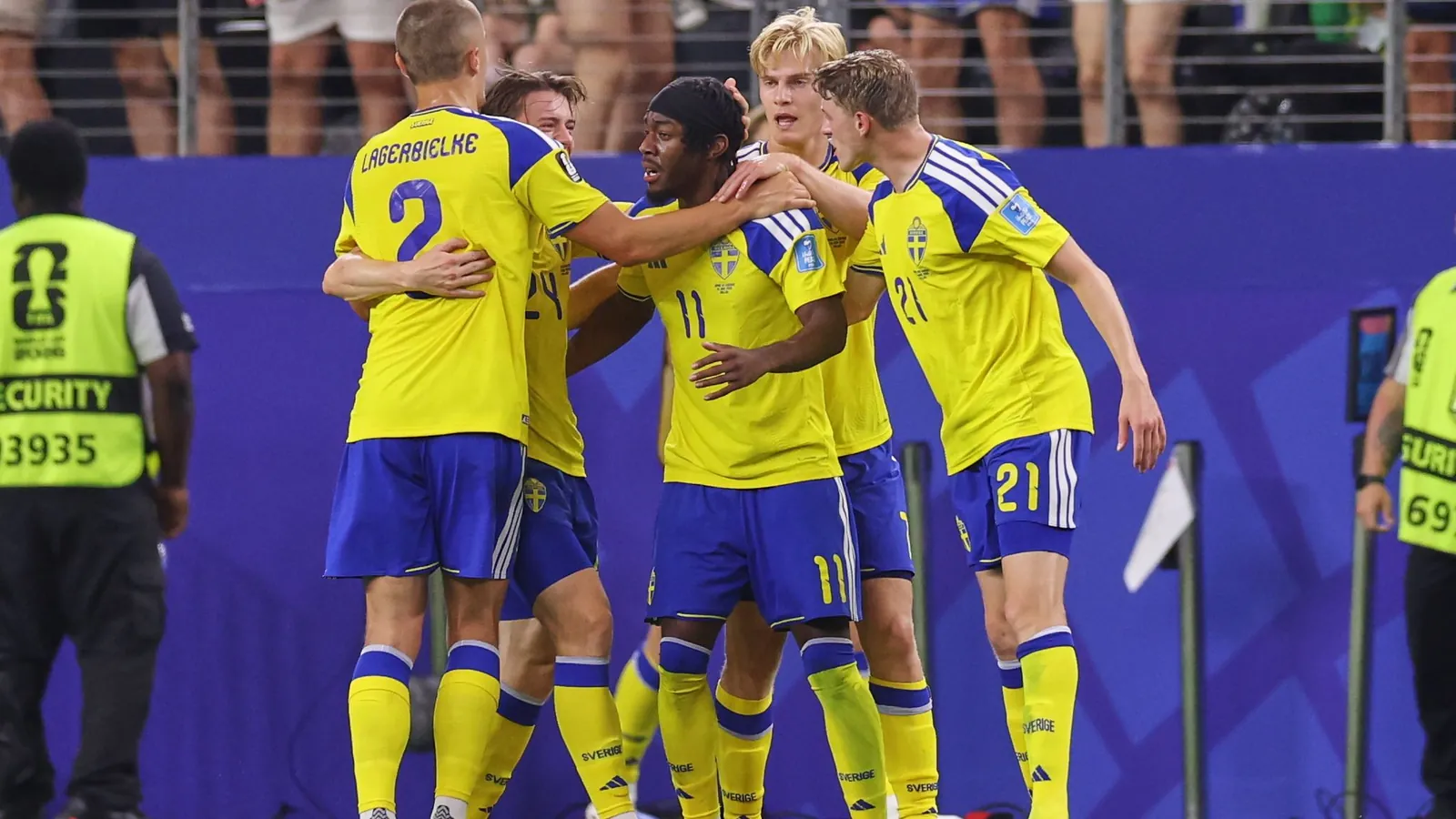
Daizen Maeda opened the scoring for Japan approximately ten minutes after half-time, following a period of intricate play near the Sweden penalty area. However, Anthony Elanga of Sweden responded with a curled left-footed shot seven minutes later, levelling the score. This marked Elanga’s second goal in two World Cup matches.
Both teams had further opportunities to break the deadlock. Alexander Isak of Sweden had a low effort saved by Zion Suzuki, who also denied Elanga in stoppage time. Isak later hit the crossbar from a resulting corner kick. For Japan, Kogi Ogawa scooped a chance over the bar from a cross by Daichi Kamada.
Qualification and Upcoming Fixtures
The draw ensured both nations progressed from Group F. The Netherlands finished atop the group with seven points, followed by Japan with five points, and Sweden with four points. Tunisia, with zero points, did not advance.
As a result of their second-place finish, Japan is set to face Brazil in a Round of 32 match. This fixture will take place in Houston, Texas, on Monday, June 29, with a 6pm kick-off. Sweden, qualifying as one of the best third-placed teams, will await confirmation of their next opponent. Their Round of 32 game is scheduled for Tuesday, June 30, in New Jersey, New York, with a 10pm kick-off. Possible opponents for Sweden include the winners of Group I, which could be France or Norway, or potentially Germany, Mexico, or the USA.
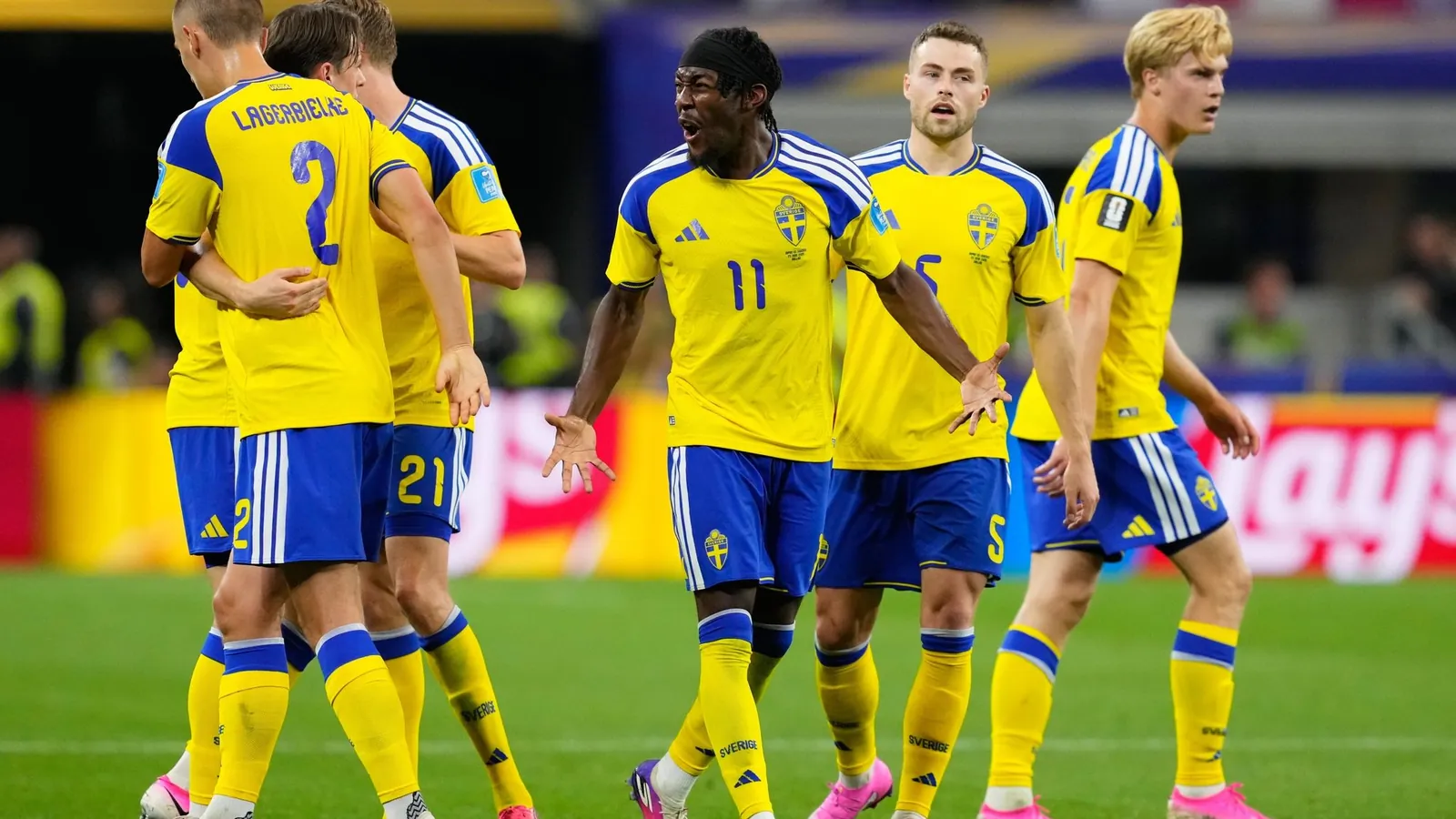
Graham Potter, Sweden’s head coach, expressed his satisfaction with the team’s performance, particularly after going a goal down. He commended the players for their resilience and highlighted Anthony Elanga’s contribution, noting his two goals in the tournament. Potter acknowledged the challenge of facing another strong team and praised the players for their consistent effort.
Key Moments from the Match
The first half saw limited clear-cut chances, with Japan’s Maeda heading over an early opportunity. Jacob Zetterstrom, Sweden’s goalkeeper, made a save just before half-time, turning a shot from Keito Nakamura around the post.
The second half brought the goals and increased intensity. Maeda’s goal in the 55th minute gave Japan the lead, capitalising on intricate build-up play. Elanga’s equaliser in the 62nd minute, a solo effort from the edge of the area, eased Sweden’s concerns about elimination. Following the goals, Isak had a near-miss in the 65th minute, and Suzuki made further saves from Elanga and an Isak header in stoppage time.
Sweden’s journey to the knockout stages marks a significant turnaround under Graham Potter’s management, especially considering their position at the bottom of their qualifying group last October. While they secured a large win against Tunisia in their opening game, their performances against other strong teams in the group have been described as less convincing. The team will look to key players like Alexander Isak and Viktor Gyokeres to find their form in the upcoming matches, though Elanga has been a standout performer with his two goals.
The Netherlands secured their top spot in Group F with a 3-1 victory over Tunisia. They will now face Morocco in Monterrey. The final Group F table saw all three teams with points qualify for the next stage.
Sweden’s coach, Graham Potter, acknowledged the logistical challenges ahead for the team, stating, “We need to be on our toes in terms of logistics, that’s the fun part of the tournament.”
Source: skysports.com