The BJP’s victory in West Bengal marks a historic shift, as it has never governed the state before. In the elections held in April 2026, the BJP won or was leading in 200 of the 294 seats. Meanwhile, Mamata Banerjee’s TMC was leading or had won just 87 seats.
Before this election, expectations leaned towards continued TMC dominance. Banerjee has been in power since 2011 and had a strong voter base. However, the political landscape shifted dramatically due to various factors.
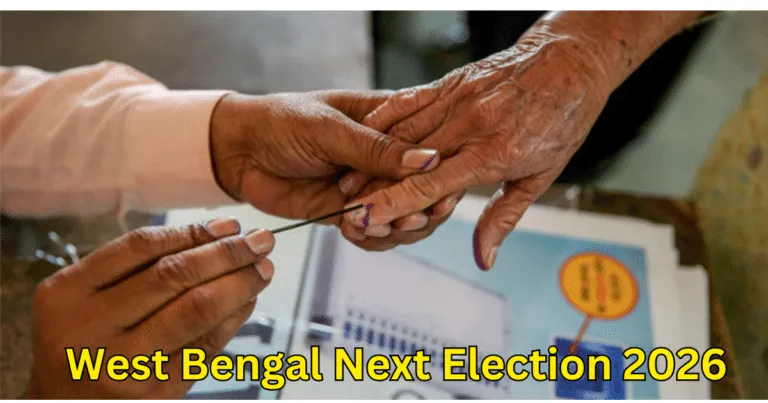
The decisive moment came with record voter turnout. Nearly 68.2 million people voted, achieving a turnout of about 92.93 percent. This high participation indicates strong engagement among voters.
The BJP’s previous best performance in West Bengal was 77 seats in 2021. The party’s election strategy appears to have resonated with a significant portion of the electorate.
But challenges remain for both parties. The Election Commission of India controversially removed over nine million voters from electoral rolls before the election, raising concerns about voter disenfranchisement.
Mamata Banerjee criticized these actions, stating, “It’s a total forceful use of central forces to oppress the Trinamool Congress everywhere.” This reflects ongoing tensions between her party and the BJP.
Experts also weigh in on this shift. Rahul Verma noted that “there is visible support for Mamata and she remains popular, but there is anti-incumbency against the TMC machinery.” This suggests that while Banerjee retains some support, it may not be enough to counteract growing discontent.
The BJP’s rise may also be linked to Hindu-Muslim polarization within the state. Seema Das remarked, “Didi has lost the track and only appeases Muslims to stay in power.” This highlights how communal dynamics could influence future elections.
The next steps for both parties will be critical as they navigate this new political reality. The BJP aims to solidify its position while the TMC must reassess its strategies moving forward.
This election marks a turning point for West Bengal politics and sets the stage for future contests as both parties adapt to changing voter sentiments.