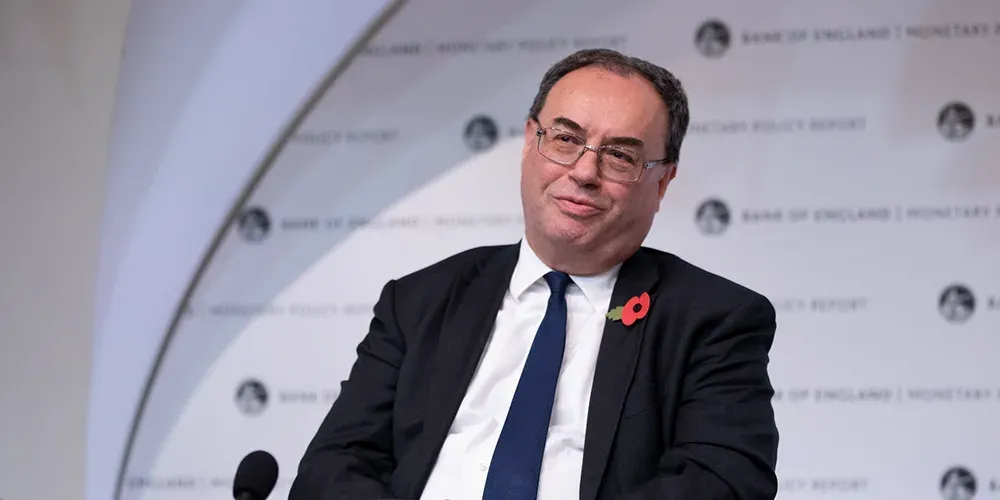
Bank of England Governor Andrew Bailey has proposed a redefinition of central bank independence to include the integrity of money itself. This shift comes as central banks face challenges from rising inflation and global economic instability.
Previously, central bank independence primarily focused on maintaining price stability. This approach shielded monetary policy from political pressures, ensuring that governments could not easily inflate currency for short-term gains. However, recent trends in inflation and financial stability have prompted a reevaluation.
In April 2026, inflation in the euro zone surged to 3%, driven by increased energy costs amid the ongoing war in Iran. The European Central Bank (ECB) maintained interest rates at 2%, despite this rise. The ECB noted that the implications of the war would depend on the duration and intensity of energy price shocks.
Global central banks have responded by increasing their gold reserves significantly. Since the 2008 financial crisis, they have added over 225 million ounces. Emerging market central banks currently hold only 16% of their reserves in gold, indicating potential for growth in this area. Deutsche Bank predicts that gold prices could reach $8,000 per ounce within five years if these reserves rise to 40%.
Bailey emphasized that price stability preserves the real value of monetary capital while financial stability maintains its nominal integrity across banking systems. He raised concerns about new forms of digital money and stablecoins entering the monetary system without compromising its integrity.
This rethinking aligns with broader trends in monetary policy where central banks are increasingly tasked with ensuring financial stability alongside traditional roles. Christine Lagarde has also warned that geopolitical tensions add risk to economic forecasts, suggesting a volatile global policy environment.
The evolving landscape calls for a comprehensive approach to monetary policy that addresses both inflation and financial stability effectively. As central banks navigate these challenges, their definitions and strategies may continue to adapt in response to global economic pressures.