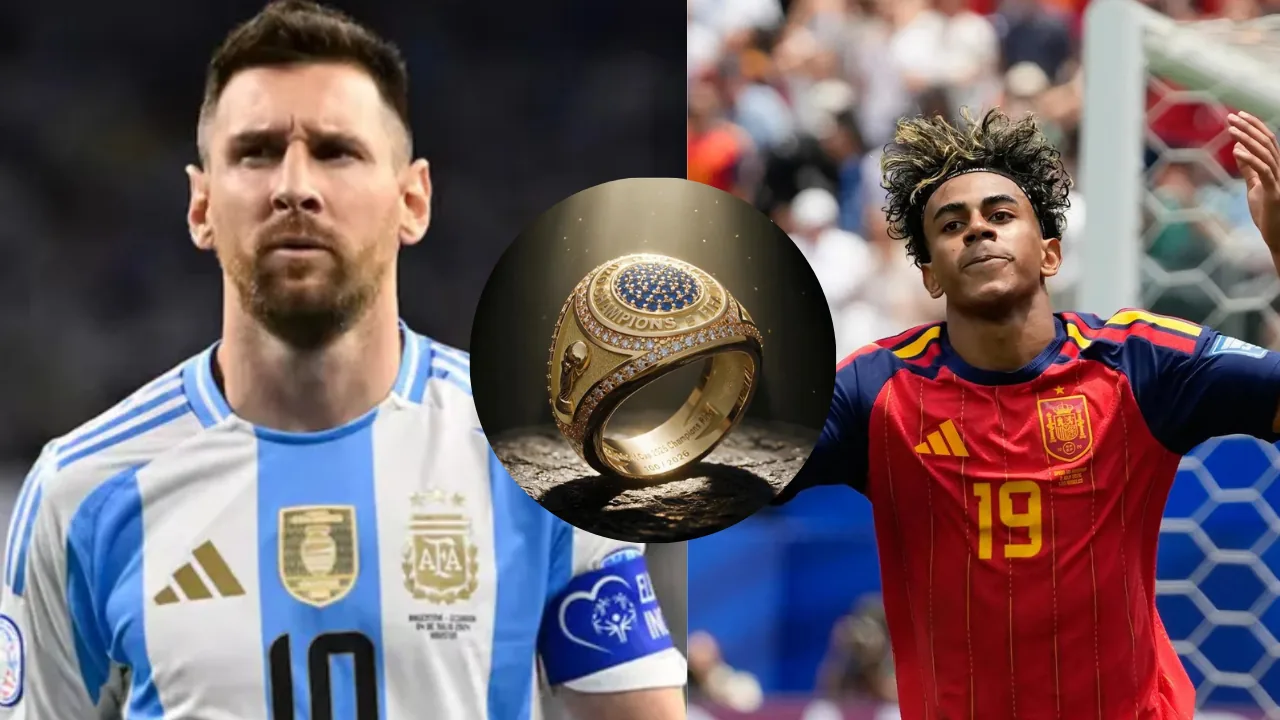
The winners of the World Cup final between Spain and Argentina will receive championship rings, marking a new tradition for the tournament. This initiative, announced by FIFA, introduces a practice common in major North American sports to football’s premier competition.
Following the final at New York New Jersey Stadium, 30 bespoke rings will be presented to the triumphant team. Initially, the captain and head coach will receive temporary versions immediately after the match. These rings will then be customised to reflect the identity of the winning team and individually fitted before a formal presentation at a later date.
One side of each ring will feature the World Cup trophy, while the other will be custom-designed with details specific to the champions. This marks the first time such rings have been awarded in a FIFA competition, aligning with FIFA‘s increasing efforts to reshape the tournament’s presentation.
New traditions for the World Cup
The introduction of championship rings is part of a broader trend by FIFA to incorporate elements from American sports into the World Cup. This tournament has seen changes in presentation and even the rhythm of play, drawing comparisons to events like the Super Bowl.
The rings for the players will be part of a limited edition of 2,026 individually numbered pieces. The remaining 1,996 rings will be made available for sale to fans globally as officially licensed products. This allows supporters to own a piece of history related to the championship.
Another notable change in the tournament’s structure has been the implementation of mandatory hydration breaks. These three-minute pauses, occurring around the 22nd and 67th minutes of matches, were applied regardless of weather conditions, with FIFA citing player welfare due to the heat and humidity of the North American summer.
However, these breaks have drawn criticism from players, coaches, and fans who argue they disrupt the flow of matches and provide additional tactical opportunities for teams. Despite suggestions that the breaks were introduced with advertising in mind, FIFA has rejected these claims.
High-profile attendance at the final
The final match is expected to be a significant event, with high-profile attendees. Former US President Donald Trump is scheduled to attend and present the trophy. This marks his first attendance at any of the 102 World Cup games this season, including all of the USA‘s matches before their elimination by Belgium.
The relationship between FIFA President Gianni Infantino and Donald Trump has been a subject of discussion during the tournament. This includes a reported call from the US president to the FIFA chief regarding a red card received by United States striker Folarin Balogun.
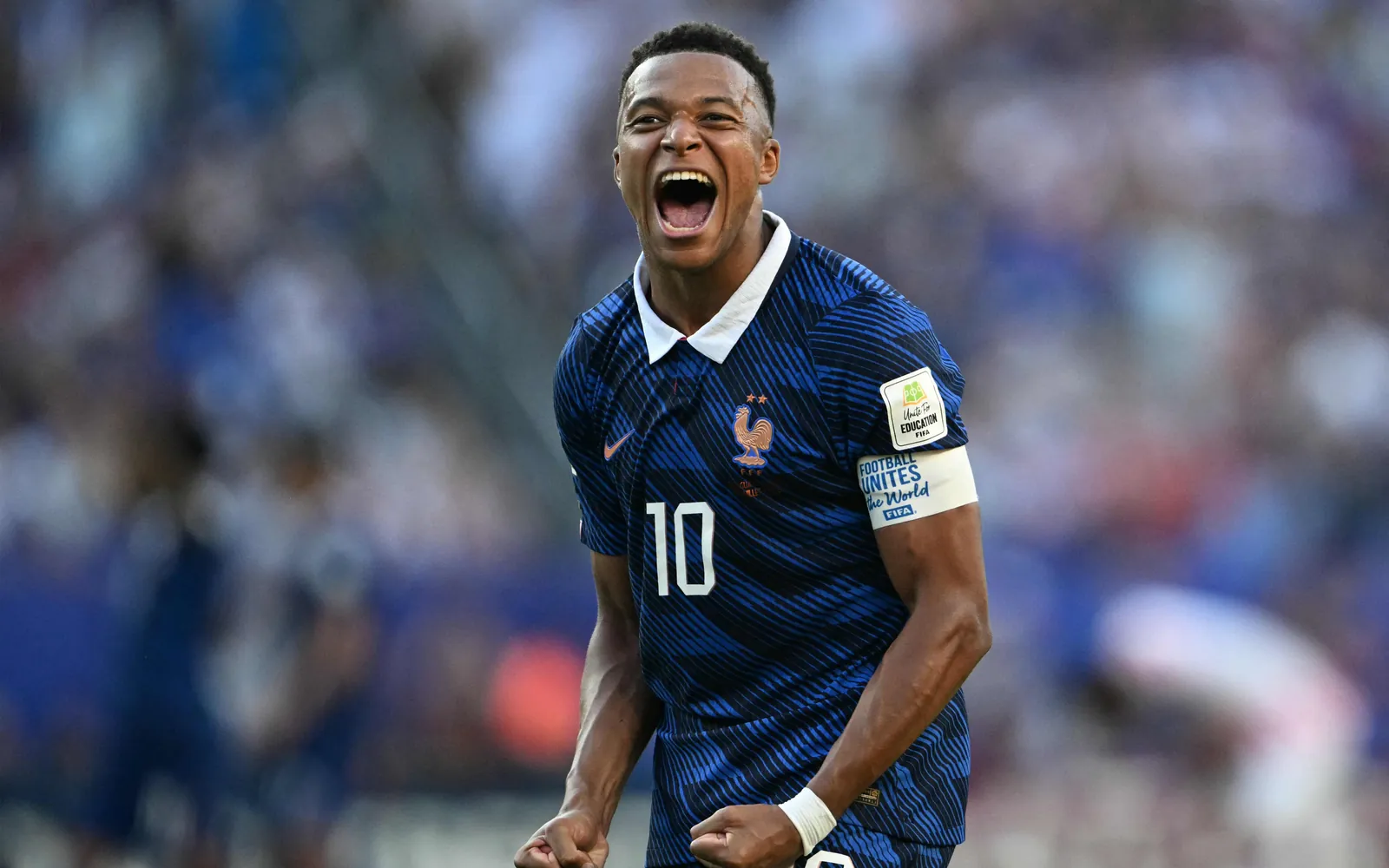
The subsequent decision to suspend Balogun‘s automatic ban was met with criticism, raising questions about the integrity of the tournament. Balogun was allowed to play in the knockout game against Belgium, which the USA lost 4-1. No other red or yellow cards have been suspended during this World Cup, despite appeals from other nations like France and England.
The final will feature a generational storyline, with Lionel Messi, at 39 years old, facing Lamine Yamal, who is 19. This will be their first competitive meeting, drawing significant global interest. The match follows Argentina‘s 2-1 comeback victory over England and Spain‘s 2-0 win against France in their respective semi-finals.

A weather warning for New York regarding air quality due to wildfires in Canada has been issued, but there is no indication that the final at MetLife Stadium will be affected.
Read Also
- Perth: Wallabies prepare for Italy clash as Joe Schmidt era concludes
- Wests Tigers confirm Luai's departure, Eels sign player for 2027 season
- New York World Cup final faces air quality concerns from Canadian wildfires
- Spa-Francorchamps: Gasly crashes in Belgian Grand Prix practice, Alpine provides update
Source: rnz.co.nz