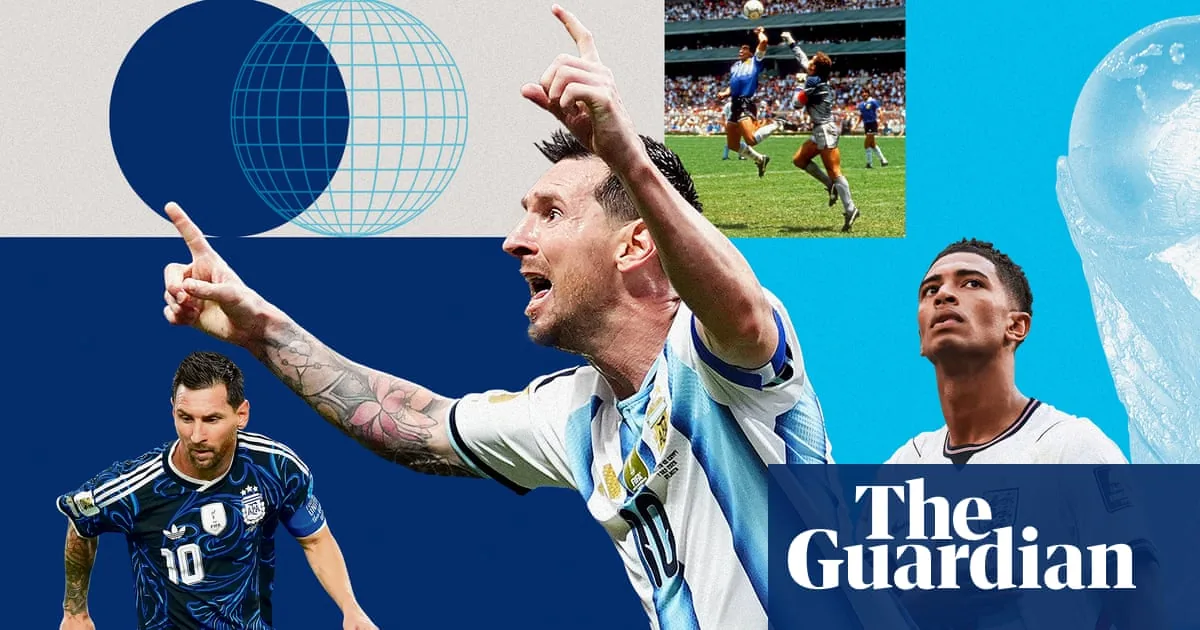
Argentina’s Controversial World Cup Journey
The recent World Cup final, which saw Spain defeat Argentina, brought to light a complex dynamic among viewers, particularly within the Black American community. For many, the match was less about supporting Spain and more about rooting against Argentina, a sentiment shaped by a series of incidents and perceptions throughout the tournament and beyond.
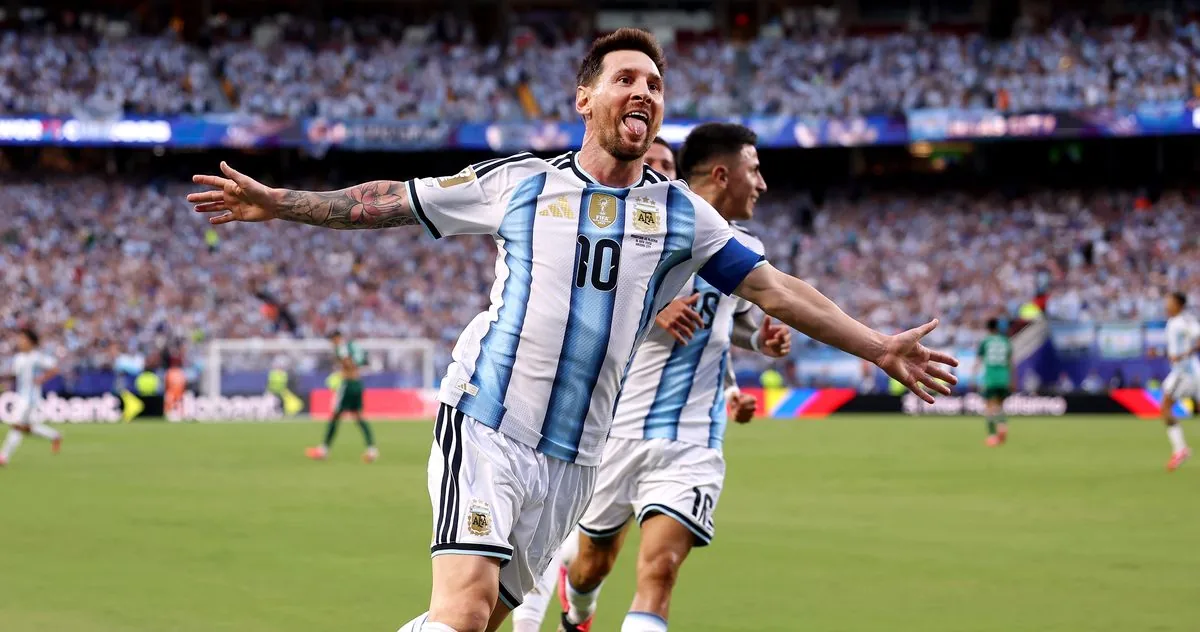
Argentina’s journey in the World Cup was marked by accusations of poor sportsmanship and controversial referee decisions. Critics pointed to what they perceived as dirty tactics during their 1-0 loss to Spain, solidifying a reputation that had grown throughout the competition. This included incidents such as fouls and brawls on the pitch, and the Argentinian squad reportedly turning their backs when Spain received the trophy.
The team’s conduct drew strong reactions from various figures. Former Germany player Thomas Hitzlsperger described Argentinians as “disgusting sportsmen,” while British television personality Piers Morgan suggested they focused on hitting Spanish players. The New York Times characterised Argentina’s performance as “tetchy, petulant and distasteful.”
Allegations of Racism and Silence
Beyond on-field behaviour, allegations of racism against Argentina’s fans and even some players were a significant factor. Hollywood actor Samuel L Jackson notably urged Black people not to support Argentina, referring to it as one of “the most racist countries in the world” in an Instagram story.
Videos circulated online showing Argentinian fans, dressed in team gear, allegedly using racial epithets towards Black individuals. There were also reports of a racist chant targeting France’s Black players sung by members of Argentina’s national team after a previous Copa América victory. Additionally, an American streamer, IShowSpeed, was reportedly verbally assaulted by Argentinian fans.
A specific incident during the World Cup involved a FIFA condemnation of racism after an Argentinian supporter told IShowSpeed to “cry at the zoo” during a livestream. These incidents contributed to a perception among some Black Americans that supporting Argentina was problematic.
A key point of contention for many was the perceived silence of Lionel Messi regarding these racist incidents. Despite his immense global popularity and on-field brilliance, Messi reportedly did not publicly condemn the racist actions involving sections of Argentina’s fanbase, nor did he address the racist chant after Copa América or the videos of racial abuse circulating online.
This silence was contrasted with the actions of younger players like Lamine Yamal of Spain, who has spoken openly about his family’s sacrifices and expressed solidarity with causes beyond football, such as Palestine. Yamal’s willingness to use his platform was seen by some as a reflection of a different approach to social issues.
Argentinian Perspectives on Criticism
Many Argentinians, however, view the criticism as a misunderstanding of their passionate football culture. Leo Simone, a lawyer from Buenos Aires, suggested that critics confuse arrogance with pride, stating, “I think we deserve some credit for not being very well-liked, because of this tendency to be arrogant and look down on most people from a pedestal.”
Some Argentinians online embraced the criticism as a badge of honour. Journalist Pedro Rosemblat wrote on Instagram that Argentine irreverence and rebelliousness irritate critics, and that being called “cocky, cheaters, dirty” fills them with pride. Ezequiel Fernandez Moores, a sports journalist, acknowledged that some criticism might be justified, noting that local football codes of provocation and mockery do not always translate well to a global audience.
Sociologist Ivan Schuliaquer of the National University of San Martin cautioned against generalising football-related racism to all of Argentinian society and history. While acknowledging the existence of racism, he suggested that some labels come from colonising countries that have not fully resolved their own issues with racism. The Argentinian team’s history often involves a blend of flair and physicality, sometimes pushing the boundaries of decorum, as exemplified by figures like Diego Maradona.
The World Cup final ultimately highlighted a broader conversation about values, silence, and the responsibilities of athletes and fans in the global sporting arena, extending beyond the scores on the field.
Read Also
- NRL Telstra Premiership 2026 Round 21 team lists and injury updates
- Auckland FC star departs as club searches for new manager ahead of Tottenham Hotspur clash
- Evenepoel secures time trial victory, reducing Pogacar's Tour de France lead
- Anthony Taylor retires from elite football refereeing after World Cup appearance
Source: theguardian.com