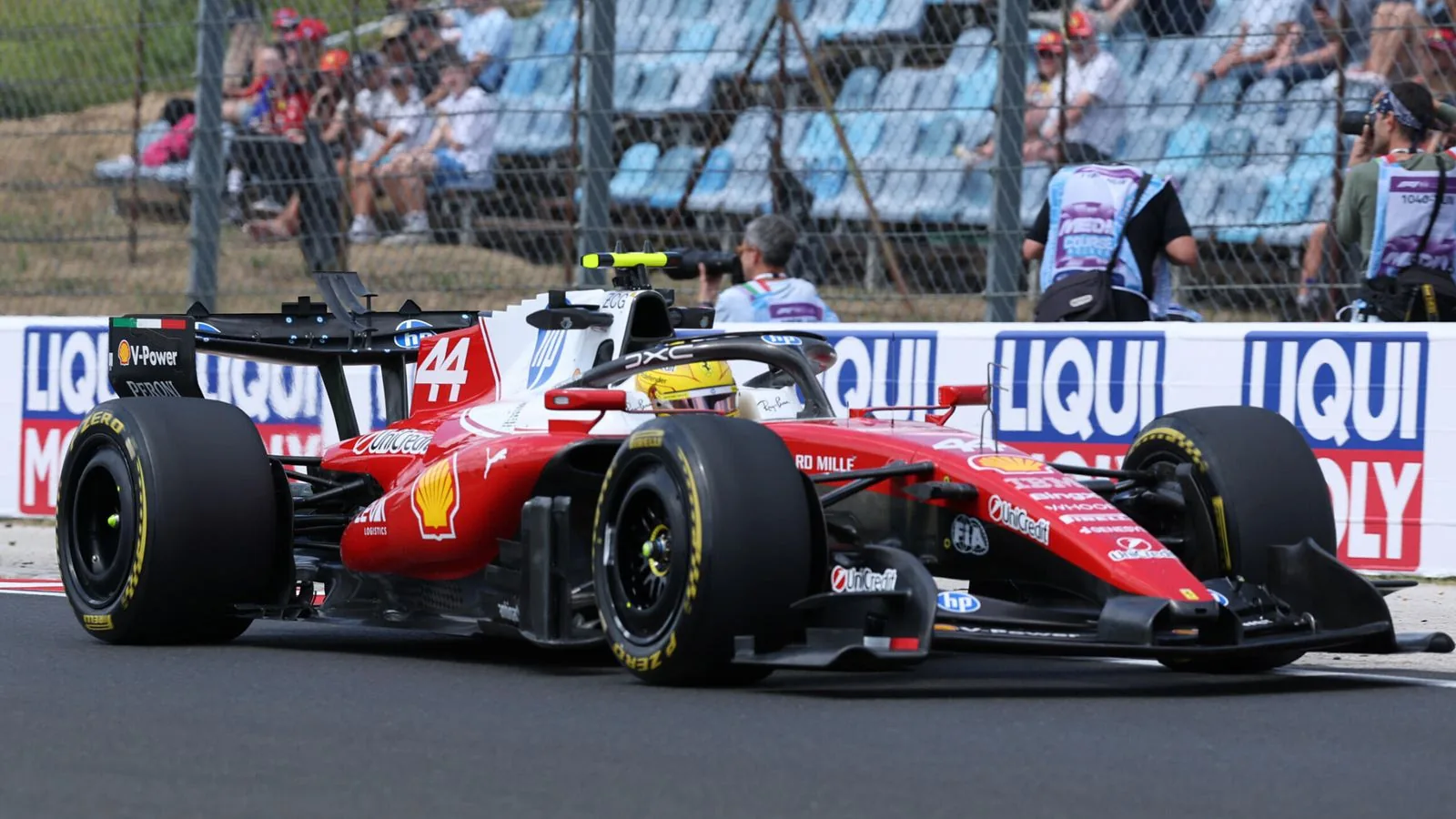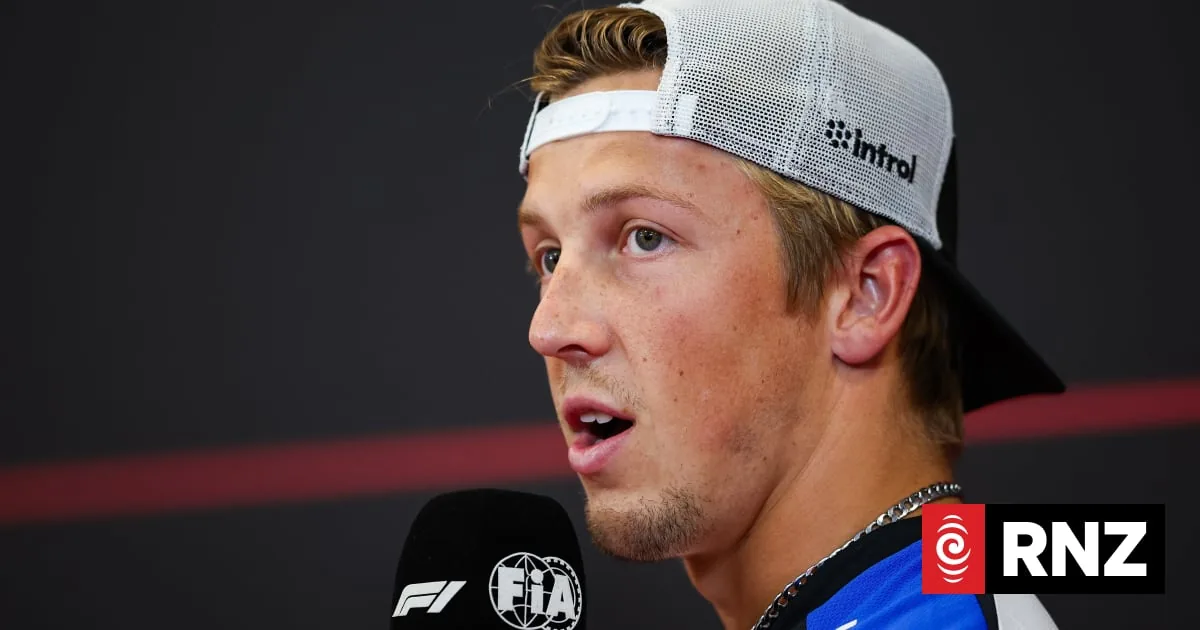
In the recent Hungary Grand Prix, Liam Lawson gained an advantage over his Racing Bulls teammate Arvid Lindblad, with a responsive split-strategy playing a key role in maximising the team’s points haul. The competition between the two Racing Bulls drivers has been a notable feature of the 2026 season, and their performances in Hungary saw both drivers score points once again.
Lawson had shown strong form during practice sessions at the Hungaroring. In contrast, Lindblad’s final practice session was significantly impacted by a late power unit change. Despite this setback, Lindblad managed to qualify in P9, two positions ahead of Lawson, with Audi driver Nico Hulkenberg separating them on the grid.
Early race dynamics and strategic shifts
At the start of the race, Lawson quickly moved ahead, passing both his teammate and other competitors, including George Russell, to secure an initial eighth position. Lindblad acknowledged that his Lap 1 was not ideal, stating he would review it, but noted that their pace was quite similar thereafter, with Lawson perhaps being slightly quicker.
Lawson initially maintained his lead but lost time during a battle between Max Verstappen and Lewis Hamilton after the frontrunners completed their first pit stops. Lawson described trying to avoid getting too involved in their skirmish, which ultimately cost him time. He characterised one of the moves as a “very Max move!”
The initial plan for both drivers was a one-stop strategy, involving a long first stint on medium tyres, which required careful tyre management. However, Hulkenberg’s performance influenced Racing Bulls‘ decisions. After the Audi driver pitted, Racing Bulls reacted by bringing Lindblad in first on Lap 20, followed by Lawson a lap later, with Lawson just managing to stay ahead.
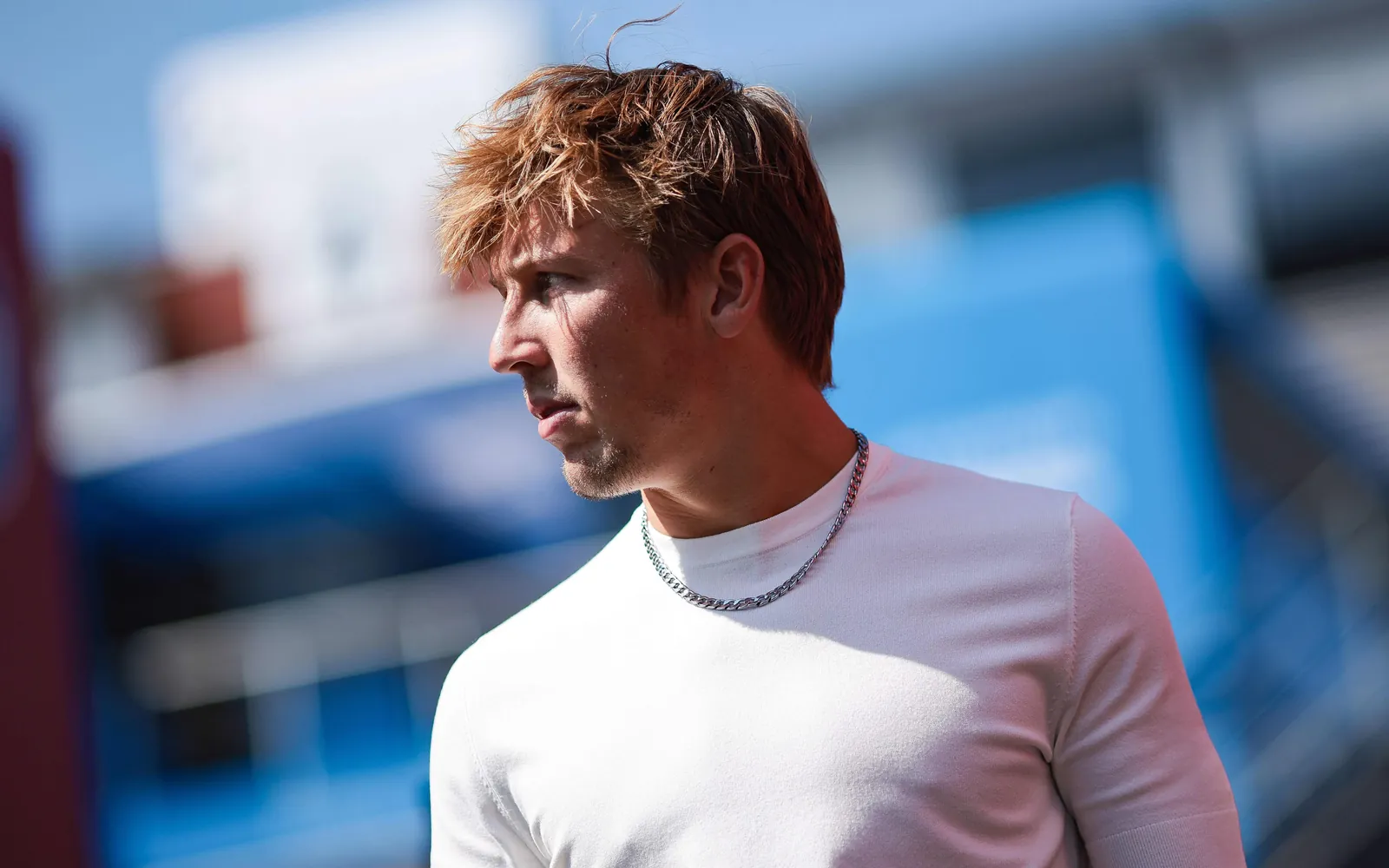
Hulkenberg’s continued presence on track prompted Racing Bulls to implement a split strategy. Lawson made a second pit stop on Lap 42, while Lindblad remained out on track, adhering to the original one-stop plan. This one-stop approach was ultimately shared only by Gabriel Bortoleto in the other Audi.
Tyre management and final positions
Lindblad had expressed concerns about the medium tyres, particularly given recent hot races. He mentioned that he had a feeling it would be a two-stop race even before it began, despite the default plan being a one-stop. He noted that the medium tyres were not performing as expected, leading to his early pit stop on Lap 21 for what would have been a 50-lap stint.
On soft tyres, Lawson demonstrated stronger pace compared to Lindblad, who was on older hard tyres. Lawson successfully overtook Lindblad on Lap 62, moving into P8. Hulkenberg also passed Lindblad, demoting him to P10 after Lindblad completed a 49-lap stint on hard tyres.
Lindblad accepted that his one-stop strategy did not yield the desired outcome on this occasion. He understood the team’s decision to split strategies, acknowledging that if the hard tyres had performed better, his P8 finish would have been a significant achievement. He concluded that Lawson was the driver who maximised the team’s potential in Hungary.
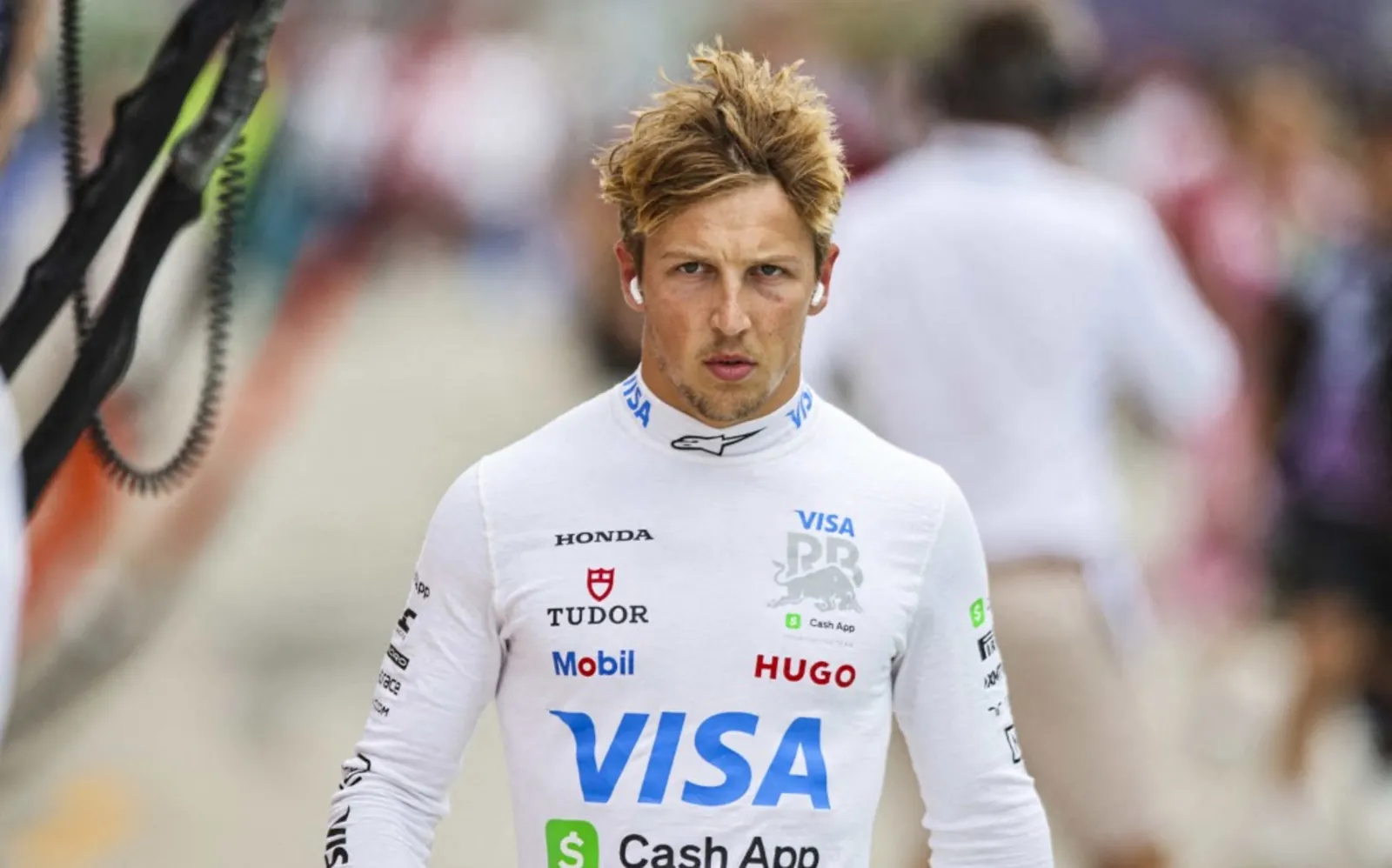
Lawson expressed satisfaction with the team’s decision to change strategy, despite not initially planning for a two-stop race. He noted that communication with his engineer, Alex Iliopoulos, hinted at strategic discussions involving the Audis, leading to a sudden call for him to pit. Lawson praised the team’s call and the car’s performance, especially during a long stint on soft tyres at the end of the race.
Prior to the Hungary Grand Prix, Lawson had finished 12th in Belgium, ending a streak of five points-scoring races. His teammate Lindblad received an upgrade for the Spa race and finished ninth. Lawson, who sits tenth in the drivers’ standings with 39 points, just three behind Pierre Gasly of Alpine, received the same chassis upgrade for the Hungary race.
Racing Bulls is currently tied for fifth place with Alpine in the constructors’ standings. Lawson had previously finished eighth at the Hungaroring last year.
Source: formula1.com