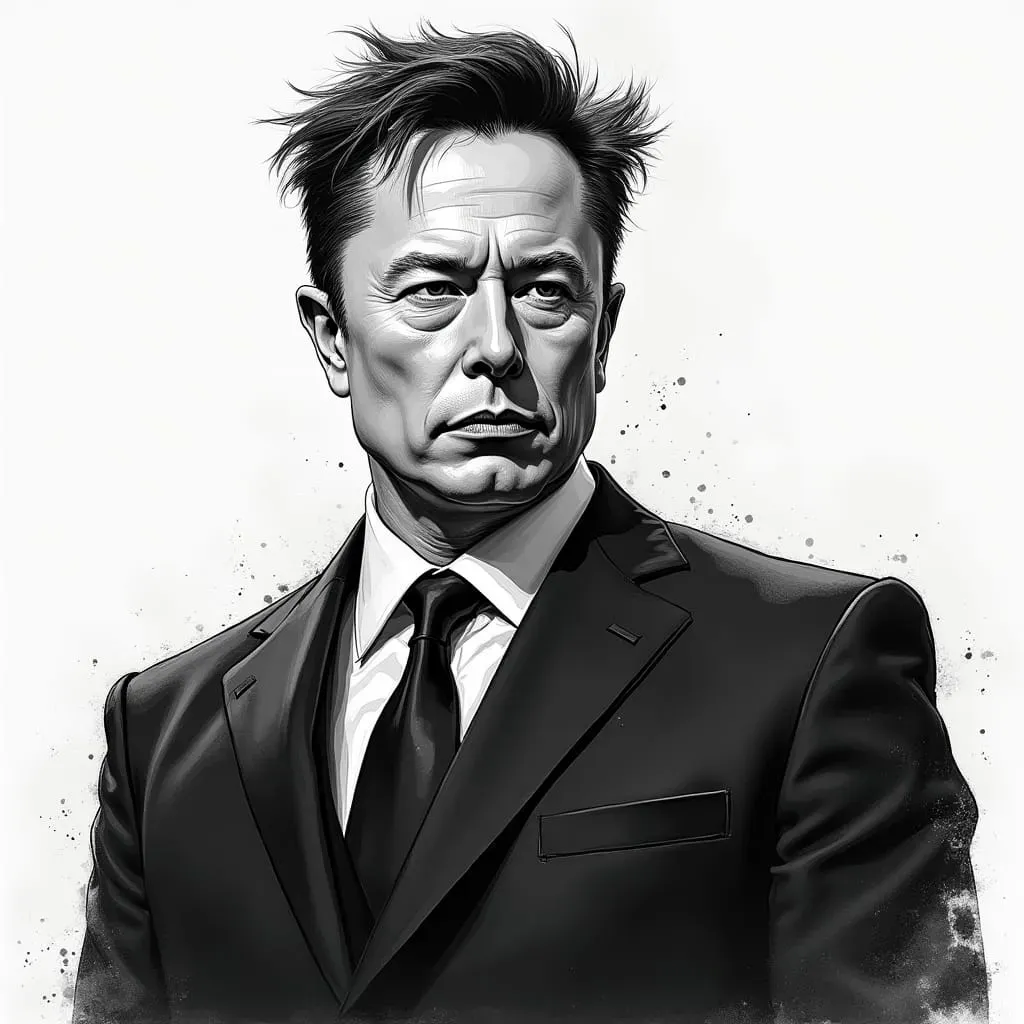
The trial between Elon Musk and Sam Altman is currently underway in Oakland, California. This case highlights personal and corporate conflicts that could significantly impact the future of OpenAI and Musk’s financial claims.
Musk’s lawsuit against OpenAI stems from the company’s pivot from nonprofit to for-profit in 2019. He claims that OpenAI owes him up to $138 billion due to alleged fraud. The case is being heard in federal court, with significant implications for both parties.
The Delaware Working Families Party has also entered the fray. They endorse primary opponents to six Democratic lawmakers who supported a corporate law benefiting billionaires, including Musk. This political backdrop adds another layer to the ongoing drama.
Musk’s $56 billion pay package was previously in legal limbo in Delaware before he relocated Tesla’s incorporation. His compensation figures are contingent on performance metrics tied to Tesla shares.
Key facts about Musk include his relationship with Zilis, a co-parent of his 14 children, who was once the youngest member of the OpenAI board before resigning in 2023. This relationship is considered highly relevant to her credibility in court.
Recent statements from both sides have fueled tensions. Karl Stomberg remarked, “We want to make sure that people know the effects this bill has had on hurting accountability for corporations and basically handing Elon Musk $55 billion.” Meanwhile, Musk stated, “It is certainly not my intention to be hurtful, for which I apologize. But the fate of civilization is at stake.”
The outcome of this trial could reshape corporate governance in Silicon Valley, especially regarding shareholder litigation. With an OpenAI IPO on the horizon, the stakes are incredibly high.