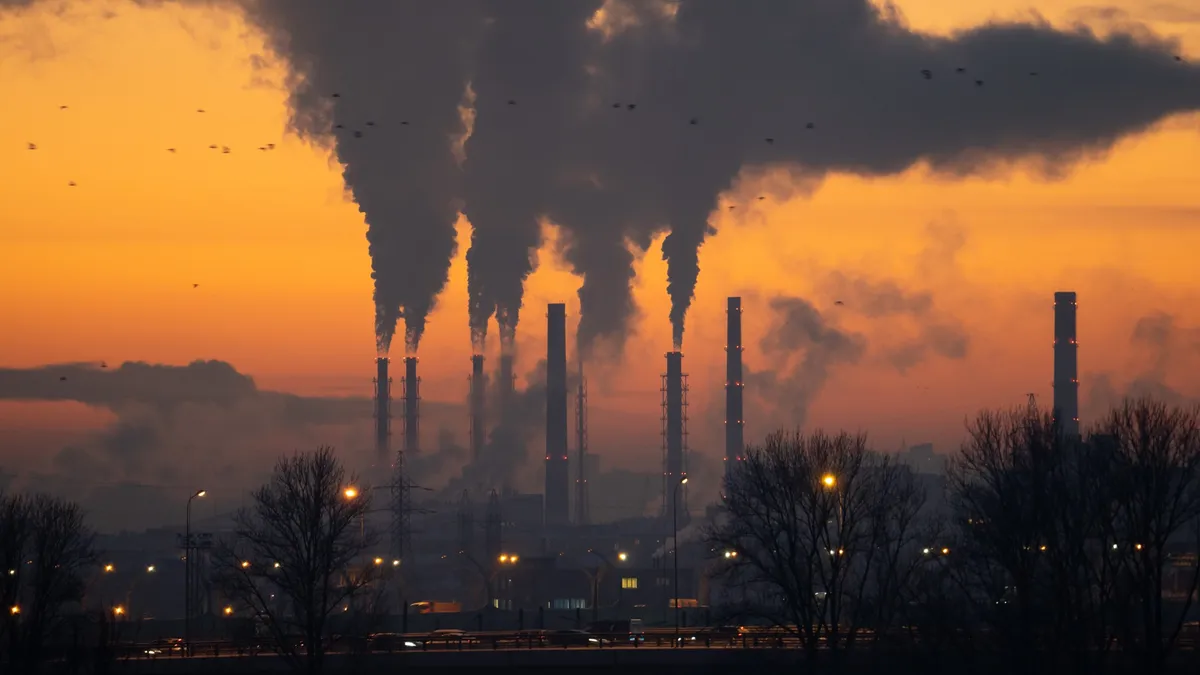
Nepal’s air pollution crisis is exacerbated by unmonitored biological pollutants like aeroallergens, posing severe health risks. On April 23, 2026, Kathmandu had an Air Quality Index (AQI) of 217, ranking among the world’s most polluted cities.
Air pollution accounted for over 40,000 deaths in Nepal in 2023. The situation has raised alarms among health officials and researchers. Dulal from the Nepal Health Research Council noted, “Nepal’s air carries more than dust and diesel. It contains aeroallergens whose health impacts go unexamined because they go unmonitored.” These biological pollutants contribute significantly to respiratory diseases.
Key statistics:
- Kathmandu’s AQI reached 217 on April 23, 2026.
- Over 40,000 deaths in Nepal were attributed to air pollution in 2023.
- Globally, air pollution contributed to approximately 5.7 million deaths in 2020.
In Egypt, air quality issues also persist. In 2017, annual premature deaths from PM2.5 exposure were estimated at about 12,600. However, there was a notable reduction in burning incidents in Greater Cairo and the Delta by nearly two-thirds between 2024 and 2025. The PM10 level in Greater Cairo dropped from 128 µg/m³ in 2020 to 88 µg/m³ in 2025.
Asthma is a chronic inflammatory disease of the airways that is increasing in prevalence due to air pollution. Dr. Saifuddin Bennoor stated, “Every three seconds, we easily inhale and exhale. But an asthma patient can’t do this easily.” Dr. Arif Mahmud emphasized that while asthma is manageable, many patients remain at risk.
The public health implications are substantial. Climate change and air pollution are major causes of increased asthma severity worldwide. Yet, uncertainties remain about effective monitoring and intervention strategies for biological pollutants like aeroallergens.